Olympic Dreams
If Anchorage truly wants to host the Winter Olympics — as its current mayor and a former mayor are hoping it will — the city would be well advised to send emissaries to Lillehammer, site of the 1994 Winter Games. But I doubt that they ever will.
Why Lillehammer?
Longtime Alaskans might recall that about a quarter century ago this handsome little community in central Norway beat out Anchorage in the international competition to host the next Olympics. Good thing it did. When the winter of 1994 rolled around, Anchorage was virtually snowless. Lillehammer, meanwhile, was not only looking like a winter wonderland, but the town itself — and all of Norway, for that matter — was drawing rave reviews around the world for having hosted the best Winter Games ever.
What much of the media, including magazines as influential as Sports Illustrated, appreciated wasn’t only Norway’s spectator-friendly management of the Olympics — which was pretty near flawless — but the overall generosity and humanitarian spirit of the place. Its healthy lifestyle. Its obvious love of winter.
In Lillehammer in particular, you saw all these little innovations for life in a northern city that Anchorage might do well to emulate. Like the pedestrian-minded city planning. The colorful and durable housing. Even the little foot-powered ski-scooters the residents pedaled around on whenever the snow got ahead of the snowplows.
Nineteen ninety-four was also the year that newspapers as modest and mid-sized as the Anchorage Daily News, my former employer, still had the resources (and the resolve) to send a staff writer half-way around the world to report first-hand on the Olympics. If memory serves, the designated reporter back then was now long-time ADN sports editor Beth Bragg, and her chief subject-of-interest was Alaskan alpine skier Tommy Moe. I think it turned out well for both of them.
To nearly everyone’s surprise, Moe ended up flying down the mountainside without fear or favor again and again, winning a gold medal in the downhill and a silver in the Super G — the first time ever an American male skier had won two medals in a single Winter Olympics.
All of this happens to be on my mind right now, because I just got through touring Oslo. And while I was there, I decided to catch a train north to Lillehammer and compare my memory with the here and now. Of course it’s still summertime here and the ski slopes in Norway are as green as August in Alyeska. So was the synthetic surface of the massive Lillehammer ski jump, lying idle in the sun.
Right next to it, however, the Olympic hockey arena was busily preparing for a sports exposition associated with Norway’s largest long-distance mountain-bike race. I walked around it to find the entrance to Lillehammer’s inspiring Olympic Games Museum.
Norway has plenty to be proud of in that regard. Even with its relatively tiny population of 5 million citizens, it still leads the world with the most Winter Game medals overall (with 303) — to second-place United States’ 253.
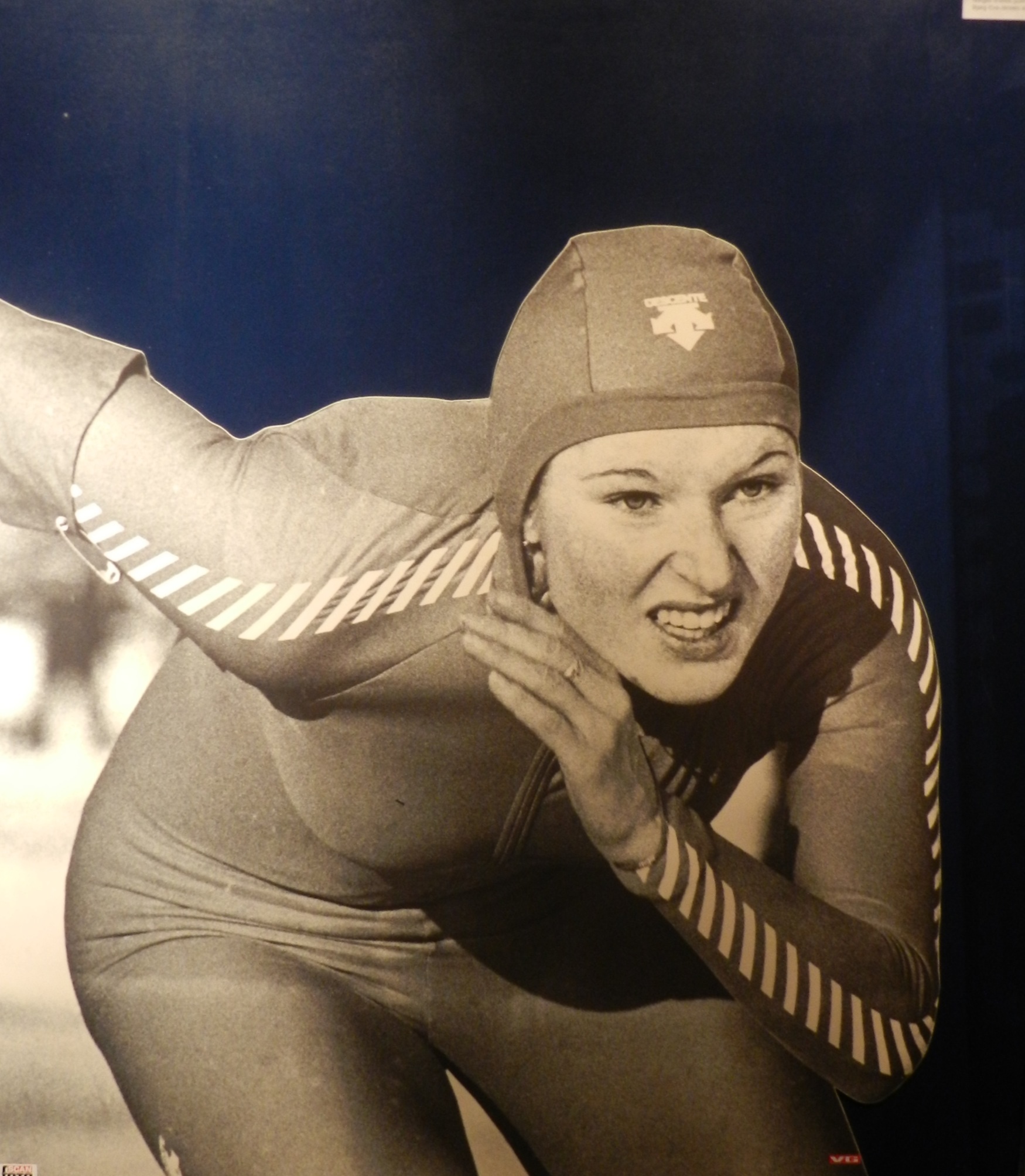
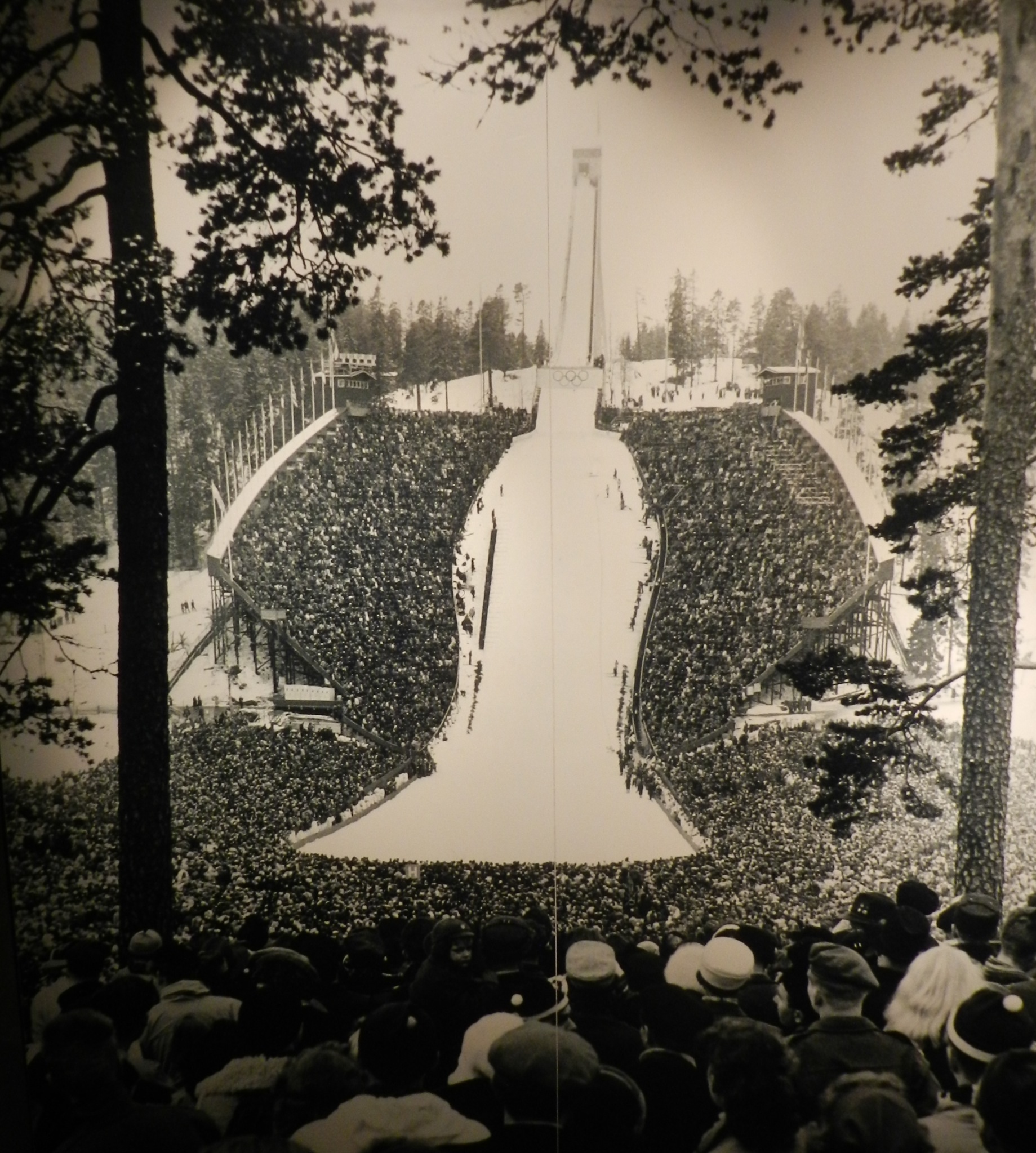
Inside the museum — which also records the history of the Summer Games — you walk down a cavalcade filled with huge photographs of Olympic stars through the ages, from American track athlete Jesse Owens on the summer side to Norwegian speed skater Johann Koss in the winter.
You see images of Super-Bowl-sized crowds in 1940 circling the old Oslo ski jump. And crowds just as huge in Lillehammer clamoring to watch cross-country ski races. (According to a 1994 report in the New York Times, Lillehammer organizers were amazed to receive a quarter million requests for just 30,000 tickets allocated to cross-country ski and biathlon races. So they did the only sensible thing they could do: they surrendered, announcing that anyone with the energy and desire to snowshoe or ski into the woods was darn well welcome to watch those events for free.)
But the Games weren’t free. According to that same NYT report, the Norwegian government and private donors spent $1 billion (in 1994 dollars) just preparing Lillehammer for the Games — from boring traffic tunnels underneath the city to building an entire Olympic Village, which they converted to housing for the elderly once the Games were over.
Which kind of brings the whole spendy subject back to Anchorage. What makes its chances any better this time around? Who’ll be picking up the tab? And are we really willing to bet the village that a chinook won’t come around and eat up all the snow?
Us dreamers want to know.
 Rowing with Ulysses